
Diminished Value Claim in Pennsylvania
After an accident, your vehicle loses market value — even after repairs. Most insurance companies won't tell you this. We provide certified, independent appraisals to help you recover what you're owed.
You could be leaving thousands of dollars on the table.
No obligation. Fast turnaround.
Serving Philadelphia, Pittsburgh, Allentown, Reading, Lancaster, Erie & all of PA
BOCAA-Certified
Auto appraisers certified by the Board of Certified Auto Appraisers
USPAP-Compliant
Reports follow Uniform Standards of Professional Appraisal Practice
PA Claims Ready
Accepted for PA insurance claims & disputes
Diminished Value Claims for Pennsylvania Vehicle Owners
Pennsylvania vehicle owners have the legal right to recover diminished value when their car, truck, or SUV loses market value after a not-at-fault accident. Whether you drive through Philadelphia, commute along the Pennsylvania Turnpike, or live in the Lehigh Valley, your vehicle's accident history reduces its resale value — and you deserve to be compensated.
Pennsylvania's high-traffic corridors — including I-76 (Schuylkill Expressway), I-476 (Blue Route), Route 22, and I-78 — see frequent collisions that result in significant diminished value losses. Even fender-benders on local roads in Montgomery County, Bucks County, or Delaware County can reduce your vehicle's worth by thousands of dollars.
Auto Value Claims provides BOCAA-certified diminished value appraisals for vehicle owners throughout Eastern and Central Pennsylvania. Our certified reports use real comparable sales data from your local market — including dealership pricing in Philadelphia, Allentown, Bethlehem, Easton, and surrounding communities — to accurately calculate your vehicle's loss in value.
Also serving New Jersey and New York.
How a Pennsylvania Diminished Value Appraisal Works
Even after a flawless repair, a vehicle with an accident history is worth less than an identical vehicle without one. That gap in value is called diminished value — and in Pennsylvania, you have the legal right to recover it from the at-fault party's insurance.
Why This Matters in Pennsylvania
Pennsylvania Is a Fault-Based State
If you weren't at fault, you file your diminished value claim against the other driver's liability insurance — not your own.
Insurers Won't Volunteer This Information
Insurance companies rarely mention diminished value. If you don't ask — and document it properly — you won't receive it.
Claims Are Minimized or Denied
Without proper documentation, adjusters will lowball your claim or deny it outright. A certified appraisal changes the conversation.
Documentation Is Everything
PA courts and arbitrators expect clear, evidence-backed valuations. A professional appraisal gives your claim the foundation it needs.
How a Professional Appraisal Strengthens Your Claim
Proves your loss with real market data — comparable sales, auction records, and dealer pricing specific to your vehicle
Strengthens your negotiating position — adjusters take certified reports seriously because they hold up under scrutiny
Supports disputes or legal escalation — if the insurer refuses to pay, your report is ready for arbitration or court
Diminished Value: Quick Answers
What is diminished value?
Diminished value is the measurable loss in your vehicle's market worth after it has been in an accident — even after full, professional repairs. Buyers and dealerships pay less for cars with accident history on CARFAX or AutoCheck. This gap between pre-accident and post-repair value is what a diminished value claim seeks to recover from the at-fault party's insurer.
What is a diminished value appraisal?
A diminished value appraisal is a certified, independent report that documents how much market value your vehicle lost due to its accident history. Prepared by a certified appraiser using comparable sales data, damage severity analysis, and USPAP-compliant methodology, the report serves as evidence for insurance claims, negotiations, or legal proceedings.
Do I need an attorney for a diminished value claim?
In most cases, no. Many vehicle owners successfully recover diminished value by submitting a certified appraisal report directly to the at-fault driver's insurance company. However, if the insurer denies your claim or significantly undervalues it, consulting an attorney experienced in property damage claims can help. We offer free attorney referrals if needed.
How long does a diminished value claim take?
The appraisal report is typically completed within 3–5 business days. After submission, insurance companies generally respond within 30–60 days. Simple claims may settle in 4–8 weeks total. Claims involving disputes, arbitration, or litigation can take several months. Starting early and submitting a professional report speeds up the process significantly.
Will my insurance go up if I file a diminished value claim?
No. A diminished value claim is filed against the at-fault driver's insurance — not your own. Since you are the not-at-fault party making a third-party property damage claim, filing for diminished value should not affect your own insurance premiums. Your own policy is not involved in the claim.
What is BOCAA certification?
BOCAA (Bureau of Certified Auto Appraisers) is a nationally recognized credentialing body for independent auto appraisers. A BOCAA-certified appraiser has completed rigorous training in vehicle valuation methodology, ethics, and report documentation. BOCAA certification ensures the appraiser's work meets professional standards accepted by insurers, courts, and arbitration panels. Both of our appraisers hold active BOCAA certifications — learn more about our team.
Three Types of Diminished Value
Inherent Diminished Value
The most common and widely recognized type. Inherent diminished value is the loss in market value that occurs simply because the vehicle now has an accident on its history report — regardless of how well it was repaired. Buyers inherently distrust vehicles with reported collisions, and this stigma permanently reduces what the car is worth on the open market. This is the type most diminished value claims are based on.
Repair-Related Diminished Value
This type of diminished value arises when repairs fail to fully restore the vehicle to its pre-accident condition. Examples include mismatched paint, uneven panel gaps, improperly aligned body components, or aftermarket parts used instead of OEM replacements. Even when the vehicle is technically "repaired," these deficiencies further reduce its value beyond the inherent stigma of the accident itself.
Immediate Diminished Value
Immediate diminished value represents the difference between the vehicle's pre-accident value and its worth immediately after the collision — before any repairs have been made. This is essentially the "as-is" damage value. While rarely used in insurance claims (since repairs are typically covered separately), it is sometimes relevant in total loss disputes or when the owner chooses not to repair the vehicle.
How Insurance Companies Estimate Diminished Value (The "17c Formula")
Many insurance companies use a calculation method commonly known as the "17c formula" (named after a Georgia court case) to estimate diminished value. While this formula is widely used as a starting point, it consistently undervalues claims because it applies arbitrary caps and multipliers rather than actual market data.
How the 17c Formula Works (Step-by-Step)
- 1
Start with NADA retail value
Look up the vehicle's pre-accident retail value using NADA guides.
- 2
Apply a 10% cap
Multiply the NADA value by 10% to get the maximum possible diminished value. This arbitrary cap is one of the formula's biggest limitations.
- 3
Apply a damage severity multiplier (0.00–1.00)
The insurer assigns a multiplier based on damage severity — often significantly lower than warranted, further reducing the payout.
- 4
Apply a mileage multiplier (0.00–1.00)
A second multiplier is applied based on mileage, which often penalizes vehicles unfairly even when they hold strong market value.
- 5
Calculate the estimate
Final estimate = NADA value × 10% × damage multiplier × mileage multiplier. The result is typically far below the vehicle's actual market loss.
This Is Not Our Appraisal Method
Auto Value Claims does not use the 17c formula. Our appraisals are built on market-based comparable analysis — we research actual sales data from your local market to determine what comparable vehicles with and without accident history are selling for. The difference is your vehicle's true diminished value.
Our reports are BOCAA-certified and USPAP-compliant, designed to withstand insurance company scrutiny, arbitration, and court proceedings. View our services & pricing or start your claim.
Educational purposes only. The 17c formula explanation above is provided for informational purposes to help vehicle owners understand how insurance companies may calculate diminished value. It does not constitute legal or appraisal advice.
Actual diminished value depends on vehicle specifics, damage severity, local market conditions, and other factors. For an accurate assessment, obtain a professional appraisal from a certified appraiser.
Diminished Value Appraisals Across Pennsylvania
Accidents in high-traffic Pennsylvania corridors frequently lead to diminished value losses — even in minor collisions. Whether you were rear-ended on the Schuylkill Expressway or T-boned at a Lehigh Valley intersection, your vehicle's market value dropped the moment that accident hit your CARFAX.
High-Traffic Corridors Where We See the Most Claims
I-76 (Schuylkill Expressway)
One of PA's most congested and accident-prone corridors
I-476 (Blue Route)
Heavy suburban traffic through Delaware & Montgomery Counties
Route 22
High-speed corridor across the Lehigh Valley with frequent collisions
PA Turnpike (I-76/I-276)
Long-distance commuter route with rear-end and multi-vehicle accidents
Pennsylvania-Specific Market Analysis
We use Pennsylvania-specific market comps — real dealer listings, auction data, and private-party sales from Philadelphia, Allentown, Reading, Lancaster, and surrounding markets
Reports reflect local resale conditions — seasonal demand, regional pricing trends, and how PA buyers actually value accident-history vehicles
Accepted by insurers and attorneys across PA — our BOCAA-certified, USPAP-compliant reports are built to withstand adjuster scrutiny and hold up in disputes
Areas We Serve in Pennsylvania
Why Pennsylvania Drivers Choose Auto Value Claims
BOCAA-Certified Appraisers
Industry-recognized credentials from the Board of Certified Auto Appraisers — the standard insurers and attorneys respect
USPAP-Compliant Reports
Every report follows Uniform Standards of Professional Appraisal Practice — accepted in disputes, arbitration, and court proceedings
Independent & Unbiased Valuations
We don't work on contingency and we're not affiliated with any insurance company. Our only obligation is to the data
Local Pennsylvania Market Expertise
We use real comparable sales from PA dealerships, auctions, and private-party transactions — not national averages
Fast Turnaround & Clear Documentation
You get a professional, easy-to-understand report designed to move your claim forward — not sit in a filing cabinet
We focus on accuracy, credibility, and results.
Real Pennsylvania Diminished Value Case
2021 Audi Q5 Premium Plus — T-Bone Collision
Repair Cost
Pre-Accident Value
$42,000
Post-Accident Value
~$38,000
Verified Loss
$3,900
After being T-boned at a Route 22 intersection in Northampton County, the vehicle was fully repaired at an Audi-certified collision center. The car looked great — but the accident now appeared permanently on CARFAX, and its resale and trade-in value dropped significantly.
Using comparable Q5 sales across the Lehigh Valley market — including dealer listings in Allentown, Bethlehem, and Easton — we documented a clear, measurable loss in value backed by real transaction data.
The owner submitted our BOCAA-certified appraisal to the at-fault driver's insurance and successfully recovered $3,900.
Without a professional appraisal, this loss would likely have gone uncompensated. Every case is different — but proper documentation makes a significant difference.
* Results vary by vehicle, damage severity, and insurer. This example is illustrative of typical Pennsylvania claims.
Pennsylvania Diminished Value FAQ
Understanding Diminished Value
See how your car loses value after an accident — and how we help you recover it
Before the Accident
Your car has its full market value based on make, model, year, and condition.
Accident Happens
Even after repairs, buyers pay less for cars with accident history — this is diminished value.
We Appraise Your Loss
Our certified appraisers calculate exactly how much value your car lost.
You Negotiate & Settle
You negotiate with the insurance using our certified report. Settlement may be the full appraised amount or a negotiated figure.
Professional Diminished Value Appraisals
Starting at
Our certified appraisal reports are prepared to insurance-industry standards and designed to support your diminished value claim in Pennsylvania.
Certified Appraisal Report
Comprehensive, professionally prepared documentation
BOCAA-Certified Appraiser
Industry-recognized credentials and expertise
Insurance-Ready Format
Formatted for Pennsylvania claim submissions
Final pricing is determined by:
- •Vehicle year, make, and model
- •Current mileage and pre-accident value
- •Severity and location of damage
- •Claim complexity and documentation requirements
This is an independent appraisal service. We provide expert valuations—not legal representation or settlement guarantees. Appraisal fees are paid upfront and are not contingency-based.
Independence & Professional Standards
All diminished value appraisals performed by Auto Value Claims PA adhere to the highest standards of independence, objectivity, and professional ethics as established by the Board of Certified Auto Appraisers (BOCAA).
Fee-Based Independence
Our appraisal fees are fixed and paid upfront—never contingent on settlement outcomes. This ensures every valuation is objective and free from financial bias.
Unbiased Methodology
Each appraisal is prepared using standardized, defensible methods that can withstand scrutiny from insurance carriers, attorneys, and arbitration proceedings.
Transparent Documentation
Our reports clearly disclose all data sources, comparable sales, and valuation adjustments—providing full transparency to all parties involved.
Professional Certification
Our appraisers maintain active BOCAA certification and adhere to continuing education requirements to stay current with industry standards.
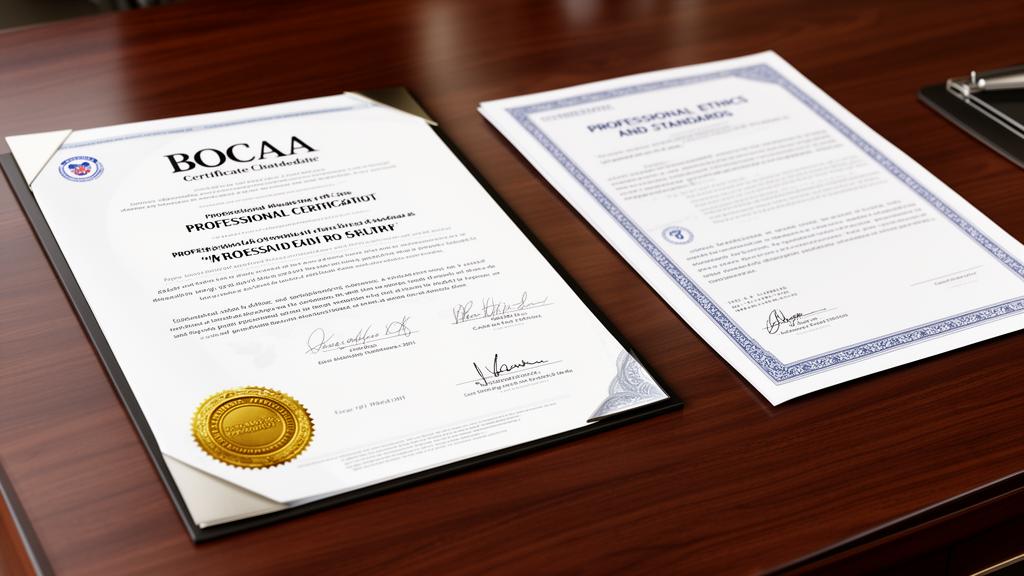
Our Commitment
As independent appraisers, we do not advocate for any party. Our sole obligation is to provide accurate, well-documented valuations that reflect the true diminished value of your vehicle. This independence is what makes our reports credible and useful—whether you're a vehicle owner pursuing a claim, an attorney building a case, or an insurance professional evaluating liability.
Auto Value Claims PA operates as an independent appraisal service. We do not provide legal advice, negotiate settlements, or guarantee claim outcomes.
Frequently Asked Questions
Get answers to common questions about diminished value claims in Pennsylvania
Related Resources
Diminished Value in New Jersey
Certified diminished value appraisals for NJ vehicle owners — accepted by all major insurers.
Diminished Value in New York
Independent appraisals for NY drivers — serving all five boroughs, Long Island, and Westchester.
Union County NJ Appraisals
Local diminished value services based in Clark, NJ — serving Union County and surrounding areas.
Philadelphia DV Appraisal
Diminished value appraisals for Philadelphia and Delaware County vehicle owners. Coming soon.
Allentown & Lehigh Valley DV
Certified appraisals for Allentown, Bethlehem, Easton, and surrounding Lehigh Valley communities. Coming soon.
Get Your Free DV Estimate
Start your Pennsylvania diminished value claim today — no obligation, fast turnaround.
Start Your Pennsylvania Diminished Value Claim Today
If you were not at fault, you may still be owed money — but insurance companies won't calculate this for you. A certified appraisal puts the proof in your hands.
Find Out What You're Owed
Get a free, no-obligation estimate from a BOCAA-certified appraiser. We'll review your accident details and let you know if a diminished value claim makes sense for your vehicle.
The sooner you document your loss, the stronger your claim. Pennsylvania has a 2-year statute of limitations — don't wait.
No obligation. Fast turnaround.
Or start your claim directly:
Access Secure Intake FormReach Us Directly
Call a Certified Appraiser
(908) 337-5207WhatsApp (Hablamos Español)
(908) 545-0439Availability
24/7 — Calls & Chats Anytime
Serving all of Pennsylvania — including Philadelphia, Allentown, Bethlehem, Easton, Reading, Lancaster, Montgomery County, Bucks County, and the Lehigh Valley. Our office is in Clark, NJ — convenient for Eastern PA vehicle owners.